
New Automotive Policy Aims to Spark an Electric Boom
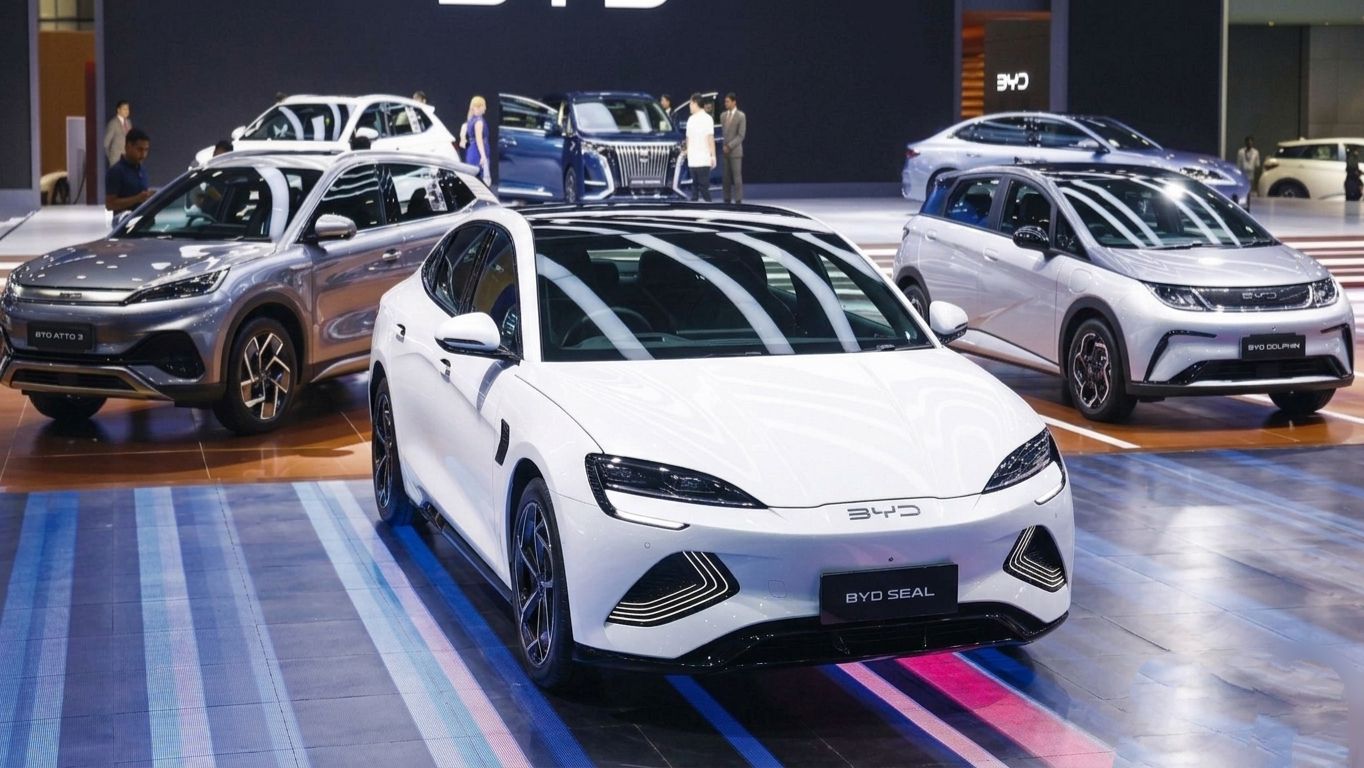
Pakistan is gearing up for a major shift in how people move around the country. The federal government is actively reviewing and updating its automotive policy with a strong focus on electric vehicles (EVs). This move signals a clear commitment to cleaner transport, stronger local manufacturing, and long-term economic growth. For anyone tracking EV decisions in Pakistan, this development is big news—it could shape everything from affordable electric bikes to future car options on our roads.
High-Level Push from the Top
Deputy Prime Minister and Foreign Minister Senator Ishaq Dar recently chaired a key inter-ministerial meeting to review the country’s Auto and Auto Parts Policy. The discussions centered on accelerating EV adoption, boosting domestic production, creating jobs, and cutting down on harmful emissions.
Government officials reviewed proposals to make electric mobility a central part of Pakistan’s transportation and industrial future. The goal is to build a competitive, innovative, and sustainable automotive sector that supports economic growth while protecting the environment.
This review is timely. Pakistan’s current Automotive Industry Development and Export Plan (AIDEP) 2021-26 is nearing its end, and the government wants the next framework to align closely with the recently launched New Energy Vehicle (NEV) Policy 2025-30.
What the NEV Policy Targets
The NEV Policy sets an ambitious target: 30% of all new vehicle sales in Pakistan should be electric or other new-energy vehicles by 2030. This includes two-wheelers (like bikes and scooters), three-wheelers (rickshaws), passenger cars, light commercial vehicles, buses, and trucks. Longer-term visions even point toward much higher adoption rates in the decades ahead.
Why this push? Pakistan’s transport sector relies heavily on imported fuel, which drains foreign exchange and contributes significantly to air pollution and climate challenges. Shifting to EVs could save billions of liters of fuel annually and generate substantial foreign exchange savings—potentially around $1 billion per year—while reducing carbon emissions.
Current State of EVs in Pakistan
The EV market here is still young but showing promising signs, especially in the two- and three-wheeler segments. Electric motorcycles and rickshaws dominate current registrations. More than 60 manufacturers have already received licenses for local production of these smaller vehicles. Overall, the number of EVs has grown from just a few hundred in 2021 to over 80,000 by mid-2025.
Passenger cars and larger vehicles lag behind. Key hurdles include limited charging infrastructure, high import costs for components, and the need for more local manufacturing know-how. Many potential buyers worry about range, battery costs, and where to charge their vehicles on longer trips.
How the New Policy Framework Plans to Help
The government is looking at several practical steps to overcome these challenges:
- Incentives for Buyers and Makers: Lower duties on EV parts, tax benefits, and possible subsidies to make electric options more affordable.
- Local Manufacturing Boost: Encouraging more value addition within Pakistan—assembling vehicles, producing batteries, and building supply chains locally. This creates jobs and reduces dependence on imports.
- Charging Infrastructure: Policies to support the rollout of public and private charging stations across cities and highways.
- Investment Attraction: Clear rules and support to draw both local and foreign investors into EV assembly, battery tech, and related industries.
- Exports Focus: Turning Pakistan into a competitive player in regional EV markets by building expertise in advanced technologies.
A dedicated subcommittee has been formed to consult widely with automakers, parts suppliers, energy companies, investors, and other stakeholders. Their input will shape the final policy recommendations, aiming for a practical, long-term roadmap.
Economic and Environmental Wins
Policymakers see EVs as a golden opportunity for job creation. The sector could generate thousands of positions in vehicle assembly, battery production, charging networks, maintenance, and supporting industries. Skilled jobs in green technology would also help train the next generation of Pakistan’s workforce.
On the environmental side, cleaner vehicles mean less smog in big cities like Karachi, Lahore, and Islamabad. This directly improves public health and supports Pakistan’s climate commitments. Reduced fuel imports would ease pressure on the national budget and energy security.
Industry experts have emphasized for years that a stable, consistent policy is crucial. Investors need confidence before pouring money into factories, R&D, or nationwide charging grids. This new framework review aims to provide exactly that clarity.
Challenges Ahead and Realistic Outlook
No transition is without obstacles. Local auto vendors have raised concerns about protecting existing manufacturing jobs while shifting to EVs. Balancing support for traditional combustion engine production with EV incentives will be important.
Infrastructure development needs significant investment and coordination between government levels. Electricity supply must be reliable and increasingly green to make EVs truly sustainable. Consumer awareness and financing options (like easy loans for EVs) will also play a big role in adoption rates.
Despite these hurdles, the momentum is building. Global trends show EVs becoming cheaper and better over time, and Pakistan has a chance to leapfrog some stages of development by learning from other countries.
What This Means for EV Decisions in Pakistan
For businesses, investors, and everyday consumers following EV decisions, this policy update is encouraging. It suggests more support is coming for affordable electric two-wheelers (a practical choice for many families), growing options in cars, and better infrastructure.
If you’re considering an EV purchase or investment:
- Watch for upcoming incentives and local models.
- Look into charging solutions in your area.
- Stay informed about battery technology and resale value as the market matures.
The government’s proactive approach, combined with stakeholder consultations, increases the chances of a well-rounded policy that benefits manufacturers, users, and the environment alike.
Looking Forward
With electric vehicles now firmly on the national agenda, Pakistan stands at the cusp of a mobility revolution. The forthcoming automotive policy framework could transform not just how we travel, but also strengthen industrial growth, create green jobs, and contribute to a cleaner, more sustainable future.
This is more than just a policy tweak—it’s a strategic vision for a greener, self-reliant Pakistan on wheels. As details emerge from the subcommittee and final framework, EV enthusiasts and decision-makers will have much to look forward to.